
Project - Assigning Permissions
Role: Enterprise UI/UX Designer
Duration: August 2020 – September 2021
Introduction
BGRS, a global leader in relocation services, manages over 190 shared client platforms for major companies like Walmart, Lockheed Martin, and Intel Corporation. To handle sensitive employee information securely, BGRS required an intuitive interface for managing permissions and roles. The objective was to design a seamless and secure flow for assigning members to groups, ensuring efficiency and confidentiality.
Problem Statement
Modifying or assigning roles is critical for maintaining proper access control and ensuring confidentiality. The existing system was cumbersome, leading to inefficiencies and user frustration. The challenge was to simplify the process while maintaining the security and functionality required by BGRS’s diverse clientele.
Research Insights
Methodology:
-
Surveys: Conducted online surveys with 13 participants to identify common challenges.
-
User Interviews: Interviewed 6 consultants to gain deeper insights into user behaviors and needs.
-
Personas: Developed 4 personas representing different user segments, updated iteratively with new data.
-
User Journey Mapping: Analyzed current user journeys to identify pain points and streamline workflows.
Key Findings:
-
Users preferred a one-page interface to minimize navigation.
-
Common pain points included unnecessary steps and unclear permissions.
-
Streamlining the process could enhance usability and reduce drop-offs.
Design Process
1. Understanding Business Goals:
-
Simplify the role assignment process without disrupting existing workflows.
-
Identify opportunities for improvement through research and product assessment.
-
Create an action plan, present it to stakeholders, and proceed post-approval.
2. Wireframing and Prototyping:
-
Low-Fidelity Wireframes: Created initial sketches and translated them into wireframes using Figma.
-
Testing and Iterations: Conducted 4 usability tests, leading to iterative improvements.
-
High-Fidelity Prototypes: Enhanced designs with relevant stock images and marketing copy.
3. Mapping User Journeys:
-
Mapped current-state journeys to remove unnecessary steps and reduce drop-off points.
-
Eliminated 2 redundant steps to streamline the process.
-
Ensured user flows aligned with the needs of 190+ clients.
4. Developing Personas:
-
Personas were crafted based on survey and interview data.
-
Focused on user goals, behaviors, and pain points to inform design decisions.
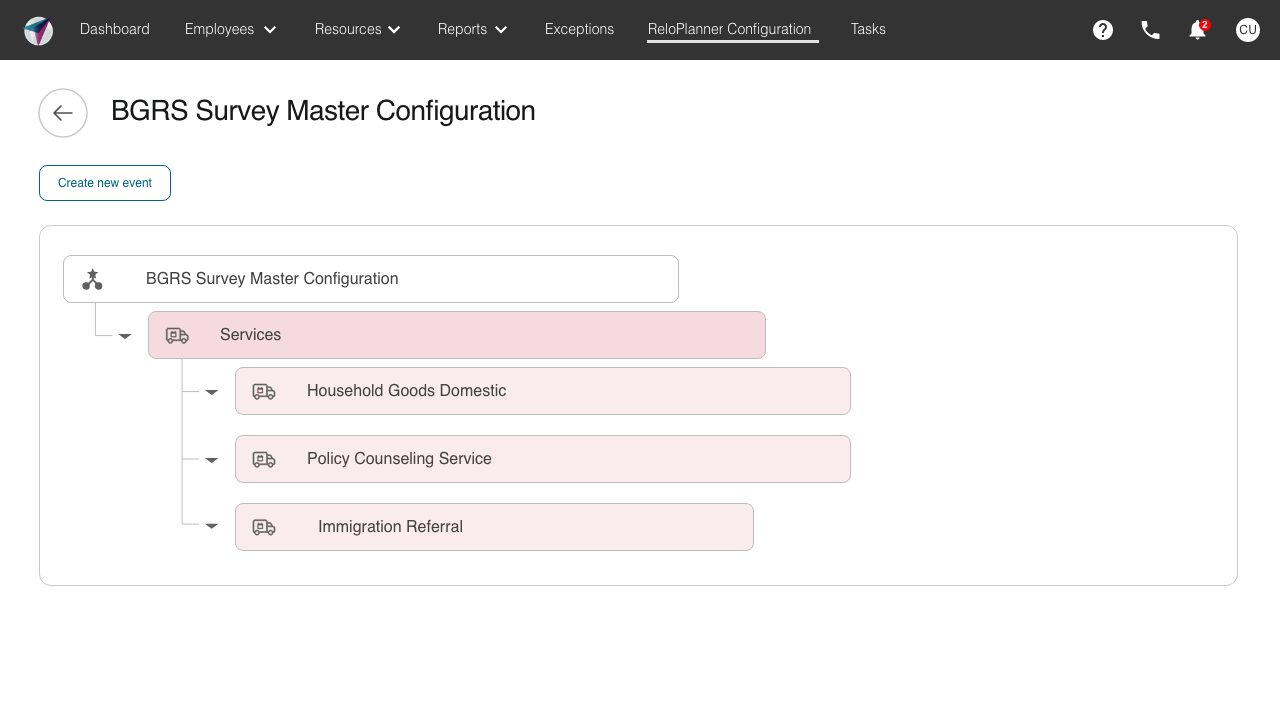
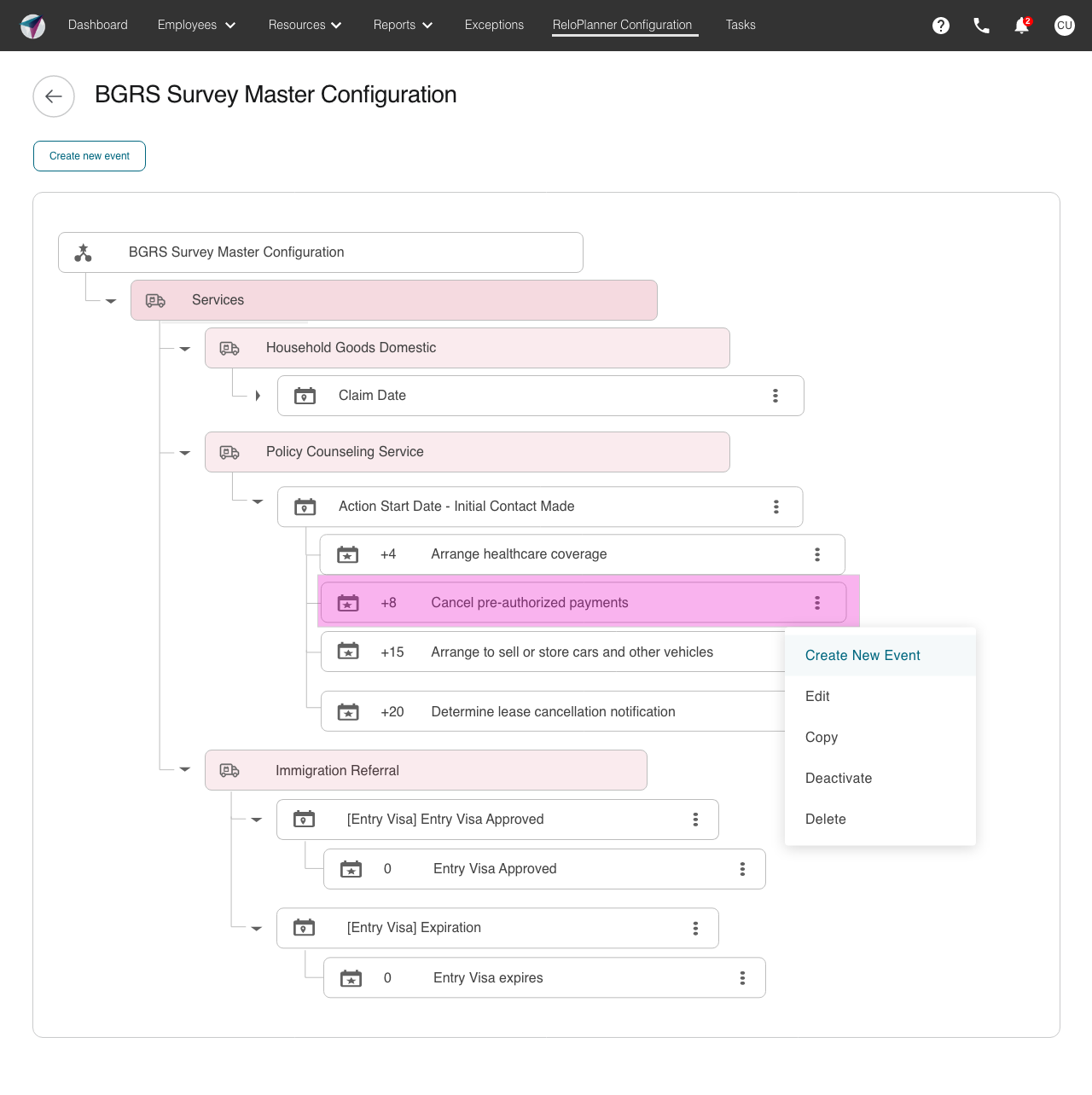
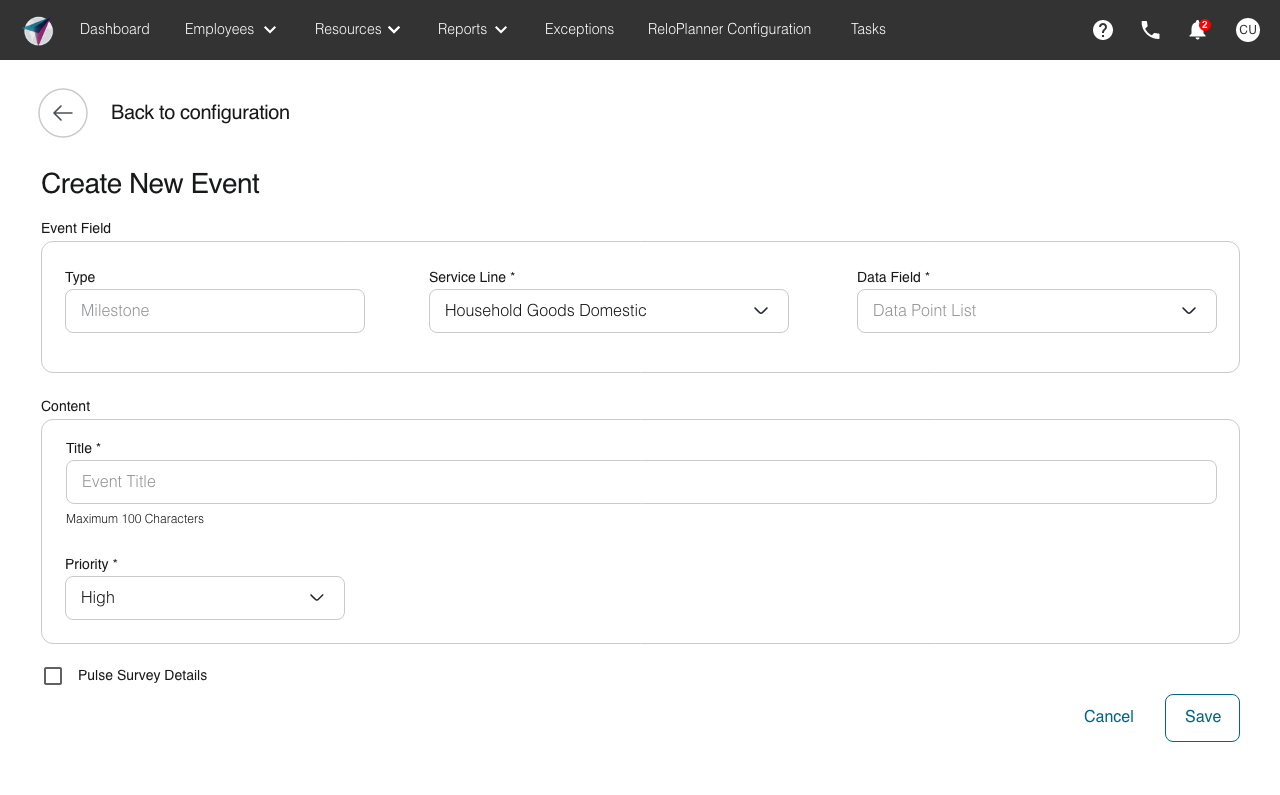
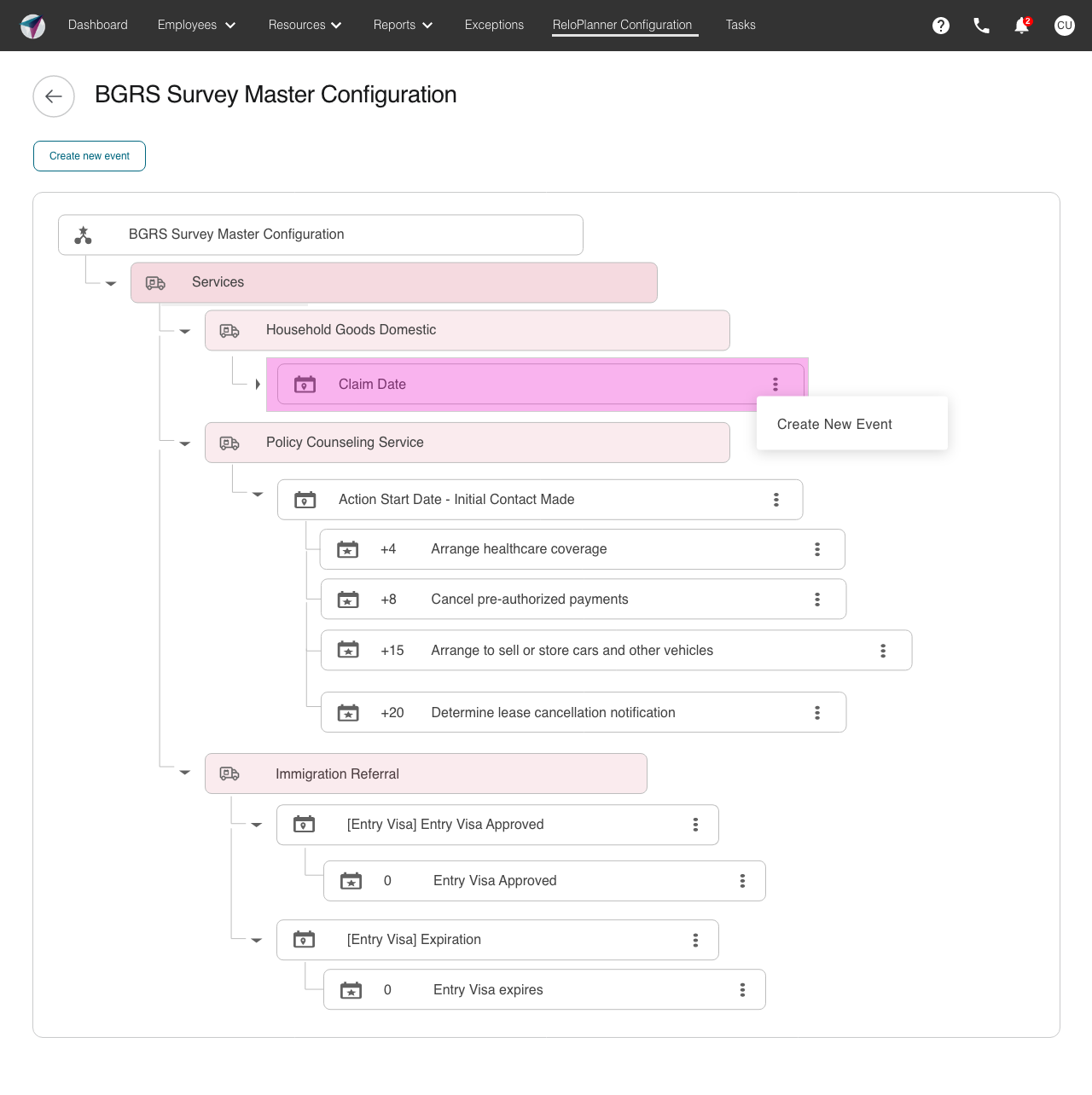
Final Outcome
Impact:
Simplified Role Assignment: Reduced the time required for assigning roles by 40%.
Enhanced Usability: Improved user satisfaction by simplifying flows and providing clear messaging.
Positive Feedback: Stakeholders and end-users praised the intuitive interface and efficient process.
Scalability:
-
The design accommodates future expansions, ensuring flexibility for additional clients and roles.
Reflection and Learnings
Key Learnings:
-
Empathy: Engaging directly with users highlighted the importance of designing with their needs in mind.
-
Iteration: Continuous feedback loops ensured the final design was both effective and user-friendly.
-
Simplicity: Streamlining workflows reduced cognitive load, leading to a better user experience
Personal Growth:
-
Enhanced skills in conducting ethnographic research and usability testing.
-
Strengthened proficiency in tools like Figma and survey platforms.
-
Learned to balance stakeholder goals with user needs.
Client and Team Feedback
-
Client Feedback: “The permissions portal is a game-changer for our operations, significantly improving role management efficiency.”
-
Team Feedback: “Santosh’s attention to detail and user-focused approach were critical to the project’s success.”
Conclusion
The BGRS project highlighted the importance of user-centric design and continuous iteration based on user feedback. By addressing key pain points and optimizing the user journey, we created an effective permissions and roles management portal that meets the needs of diverse clients and their relocating employees. This project reinforced the value of empathy, simplicity, and user-centered design principles in creating impactful and efficient user interfaces.